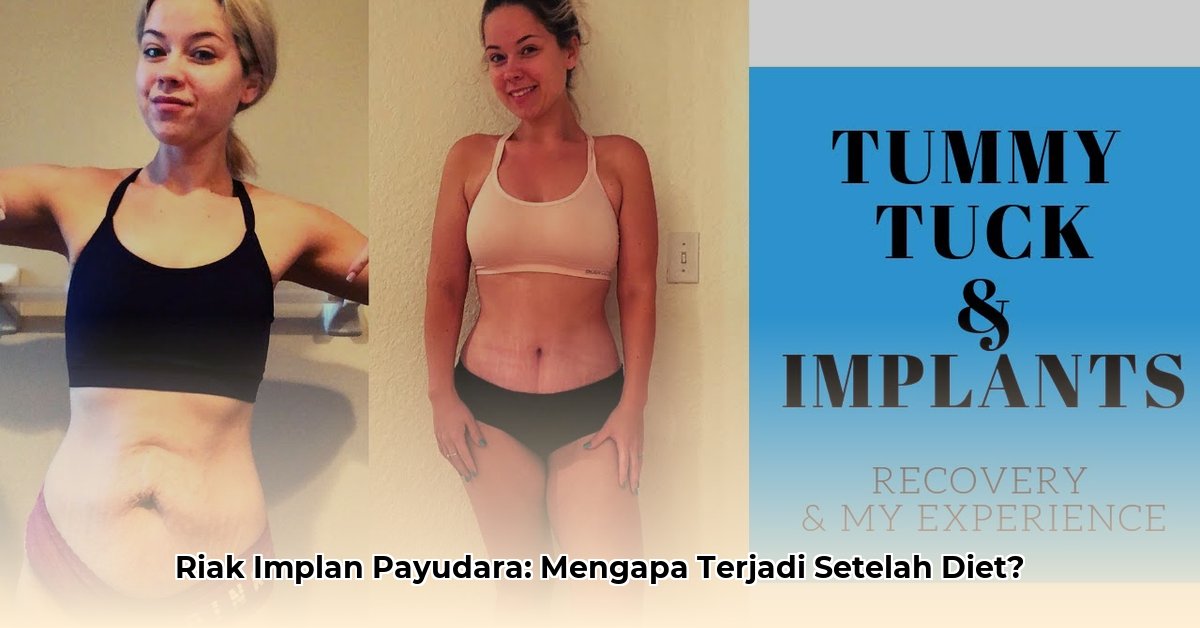
Why Weight Loss Can Cause Rippling
When you lose weight, your breasts lose volume. This can reduce the amount of fat tissue surrounding your implant, making it less supported and more likely to ripple. Rapid weight loss can also worsen rippling because your breasts lose volume too quickly. Women with thinner breasts are also more prone to rippling since they have less natural tissue to cover the implant.
Other Factors Contributing to Rippling
- Implant size: Larger implants are more likely to ripple.
- Implant placement: Implants that are placed above the chest muscle (subglandular) are more likely to ripple than those placed beneath the muscle (submuscular).
- Skin thickness: People with thinner skin have less natural cushioning to cover the implant.
- Breast size: Smaller breasts provide less coverage for the implant, increasing the risk of rippling.
Preventing and Treating Rippling
Prevention:
- Maintain a stable weight.
- Choose the right implant size.
- Consider submuscular implant placement.
Treatment:
- Fat grafting: Adding fat to the breasts to camouflage the implants and improve their appearance.
- Implant revision: Removing and replacing the implants.
- Laser treatment: Using certain lasers to improve skin elasticity, reducing the visibility of implants.
Minimizing Rippling with Weight Management Strategies
Weight Management Tips:
- Eat right: Follow a balanced diet and control your calories.
- Get moving: Engage in regular exercise to maintain a healthy weight.
- Choose the right implants: Selecting appropriately sized implants based on your natural breast size, shape, and tissue quality can help reduce the risk of rippling.
Surgical Options for Revising Rippling Implants
Surgical Options:
- Replacing saline implants with silicone gel implants: Silicone implants are less likely to ripple.
- Moving the implants under the muscle: This provides better coverage for the implants, reducing the chance of rippling.
- Adding fat to the breasts: Fat grafting can camouflage the implants and improve their appearance.
- Downsizing the implants: Smaller implants may put less pressure on your breast tissue, reducing rippling.
- Filling saline implants with more saline: This can add firmness to the implants, making them less likely to ripple.
Considerations for Surgical Revision:
- Overall health
- Severity of rippling
- Underlying cause of rippling
- Desired aesthetic outcome
Conclusion
Understanding the causes of breast implant rippling after weight loss is key to managing and preventing this issue. By taking the necessary precautions and maintaining a healthy lifestyle, you can enjoy beautiful, natural-looking breasts despite weight changes.